Email:
info@leachechem.com


THE BUYER'S GUIDE / SELECTION
1,3-Dichloro-5,5-Dimethylhydantoin (DCDMH) is a halogenated hydantoin compound used across water treatment, pharmaceutical synthesis, and several adjacent industrial applications. Selecting the right grade requires matching purity levels, active chlorine content, physical form, and application category to your specific process requirements. This guide walks procurement teams through the key specification criteria and application scenarios supported by Leache Chem Co., Ltd.'s confirmed product data, helping buyers determine whether 13Dichloro55Dimethylhydantoin DCDMH is the right fit before committing to a sourcing decision.
Purity grade alignment: verify whether your application requires the ≥98.5% water treatment / industrial specification or the ≥98.0% pharmaceutical / fine chemical specification, and confirm that the supplier's batch testing protocol consistently meets the required floor.
Active chlorine content and dosing infrastructure fit: confirm the active chlorine range (62–65% for industrial grade; ≥62.0% floor for pharmaceutical grade) against your treatment capacity design, and assess whether your facility's dosing system is automated or manual — DCDMH's controlled-release profile delivers the greatest operational benefit in automated systems.
Application category alignment: match your use case — industrial water treatment, pharmaceutical intermediate synthesis, aquaculture, food-processing water, textile bleaching, agrochemical, polymer modification, or electroplating — against the confirmed application list, and request application-specific technical data for any use not explicitly covered in the product data sheet.
Packaging format and logistics compatibility: select the appropriate format (25 kg PE-lined fiber drums, PE/PP bags, or bulk containers up to 500 kg) based on storage capacity, minimum order quantity, and inbound logistics requirements, and request country-specific import and safety documentation for regulated markets.
1,3-Dichloro-5,5-Dimethylhydantoin — commonly abbreviated as DCDMH — is a high-performance halogenated hydantoin derivative that appears as a white crystalline powder. It functions as a controlled-release active chlorine source, delivering broad-spectrum antimicrobial performance in aqueous environments and serving as a reactive intermediate in chemical synthesis. Because its performance profile differs meaningfully between application categories, buyers should confirm the grade, purity, and packaging before placing an order.
Leache Chem Co., Ltd. supplies 13Dichloro55Dimethylhydantoin DCDMH to industrial water treatment and disinfection customers across more than 50 countries, and also offers a pharmaceutical-grade variant for synthesis applications.
Before evaluating suppliers, procurement teams should identify the minimum acceptable values for the following parameters and compare them against the product data sheet for each grade being considered.
Two confirmed purity tiers are available from Leache Chem Co., Ltd.:
For pharmaceutical intermediate work — including API synthesis and antimicrobial agent production — the ≥98.0% floor is a published specification. Where process sensitivity demands higher consistency, verify whether the supplier's batch testing protocols routinely deliver closer to the ≥98.5% level.
Active chlorine content determines disinfection efficacy and dosing economics. The confirmed specification range is 62–65% for the industrial water treatment grade, with an active chlorine floor of ≥62.0% stated for the pharmaceutical/fine chemical grade. Buyers calculating treatment capacity or dosing volumes should use the lower bound of the confirmed range for conservative design.
For synthesis applications and quality verification, the confirmed melting point range is 132–136 °C. This parameter is useful as an identity and purity check on incoming material.
The confirmed moisture specification is ≤0.5%. Excess moisture can affect active chlorine stability over time, so storage conditions and packaging integrity directly influence whether the product reaches its specification at point of use.
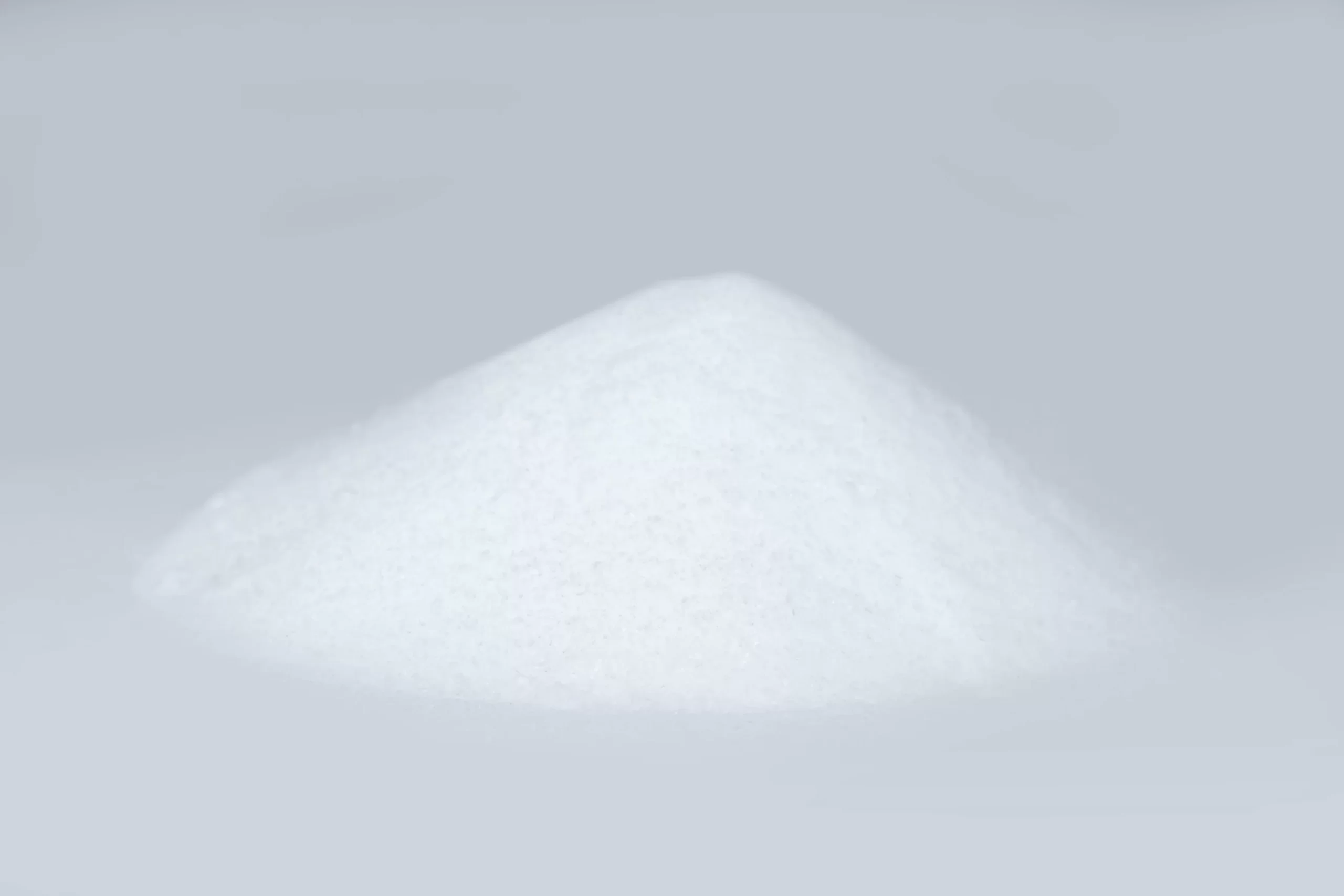
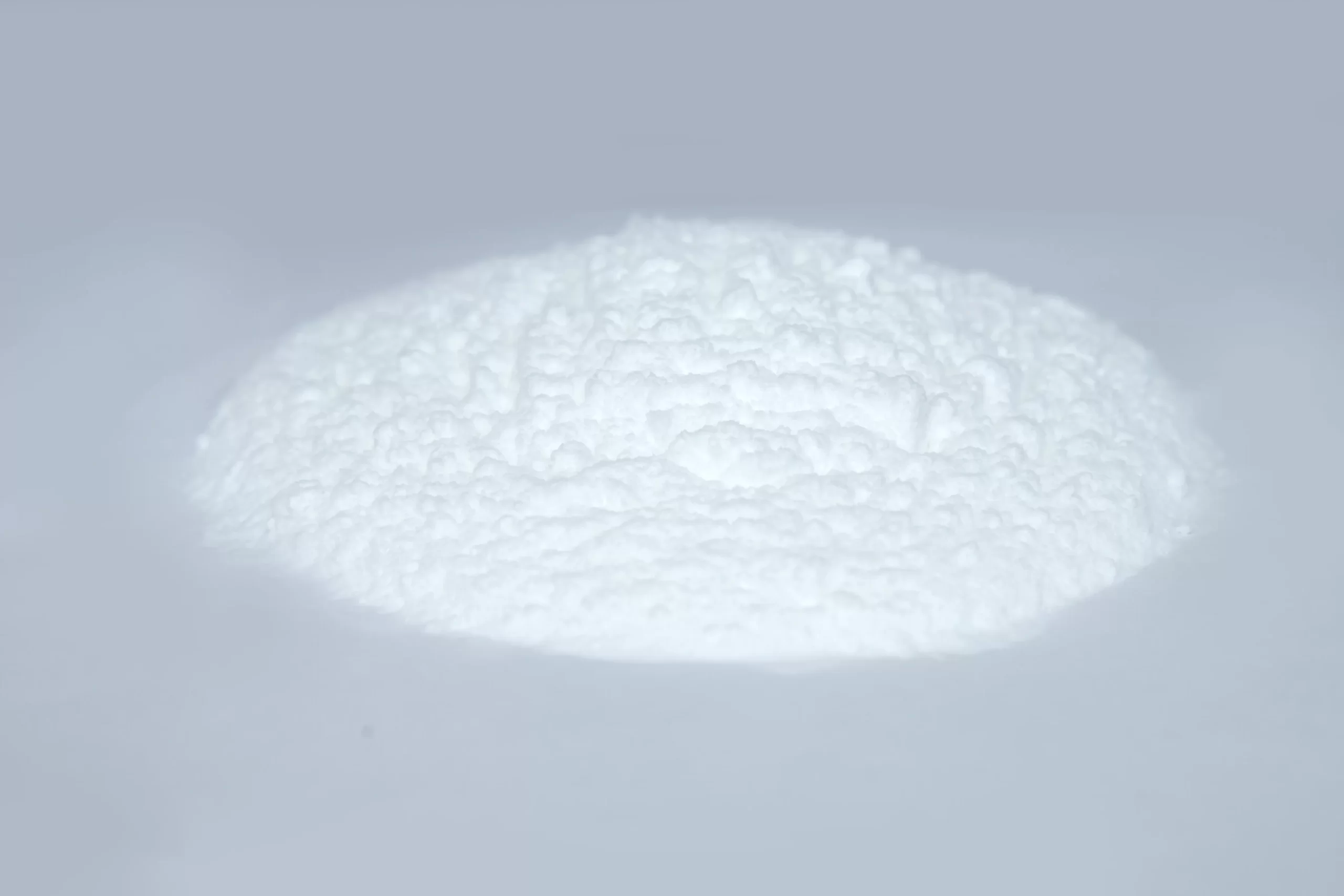
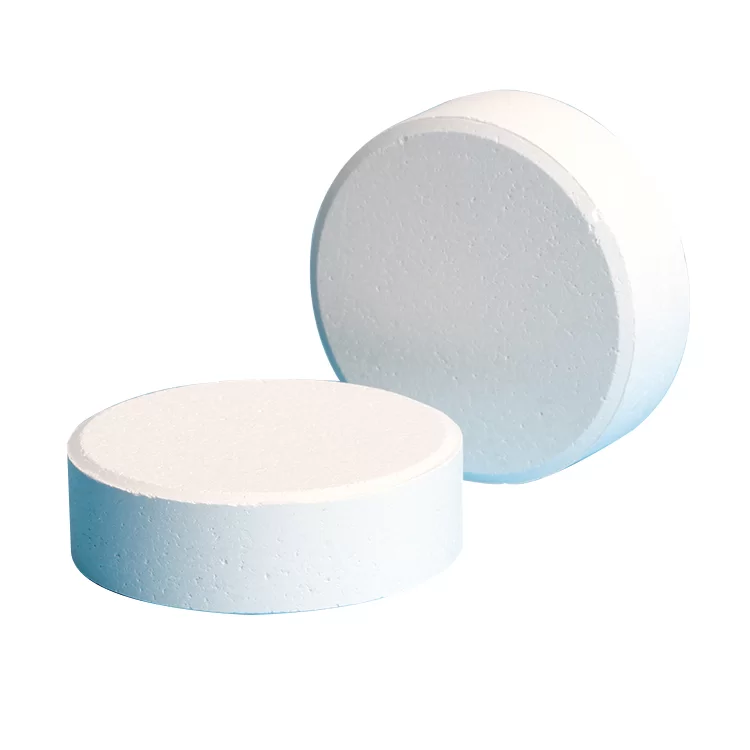
DCDMH is a white crystalline solid in both confirmed grades. This form is compatible with automated dosing equipment and standard chemical handling infrastructure.
The confirmed product data identifies the following application categories. Buyers should cross-reference their specific process against each description and, where necessary, request technical guidance from the supplier.
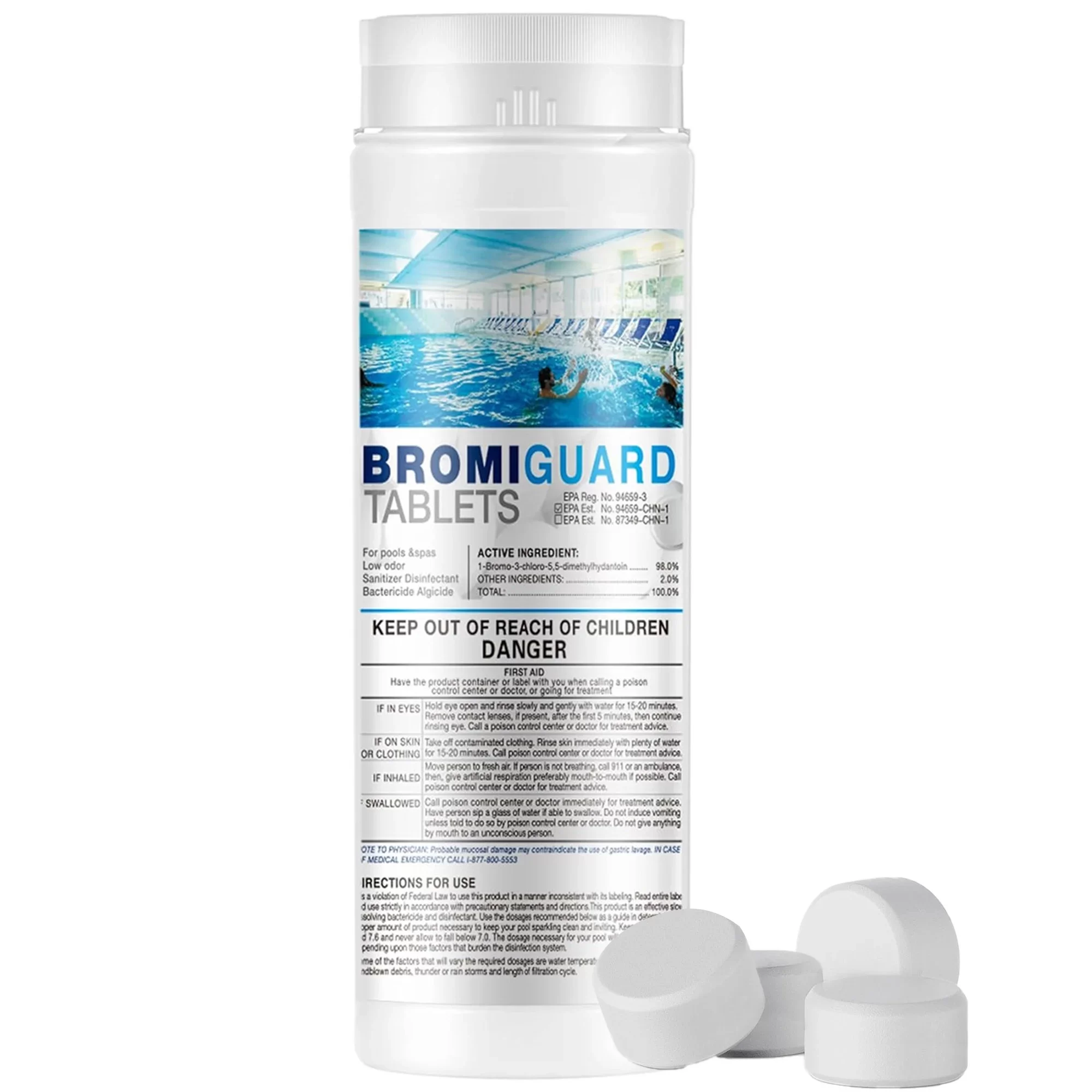
DCDMH's controlled-release mechanism makes it well suited to large-scale recirculating water systems — including industrial cooling towers, municipal water treatment, and swimming pool sanitation. Compared with standard chlorinating agents, the molecular structure of 13Dichloro55Dimethylhydantoin DCDMH provides prolonged antimicrobial action, which the confirmed product data indicates reduces dosing frequency and minimizes residue in treated water. This characteristic is relevant for facilities operating under environmental discharge regulations.
DCDMH is also confirmed for biofouling control and is described as compatible with automated dosing systems, enabling precise volume delivery and reducing manual intervention.
Fit check: If your facility uses manual batch dosing and does not require residue reduction, simpler chlorinating agents may be adequate. DCDMH's fit improves where automated dosing, low-residue output, and consistent active chlorine concentration over time are operational requirements.
The pharmaceutical/fine chemical grade is confirmed as a halogenation reagent and pharmaceutical intermediate, used in the synthesis of antimicrobial agents, active pharmaceutical ingredients (APIs), and disinfectant compounds. Its stability and broad reactivity in halogenation processes support use in complex synthesis workflows.
Fit check: Pharmaceutical buyers should confirm that the supplier can provide an SDS, compliance documentation, and batch certificates aligned with their regulatory jurisdiction. Leache Chem Co., Ltd. offers regulatory support and compliance documentation as part of its service offering.
The product has a low toxicity profile as a key advantage and is safe for sensitive applications including aquaculture and food-processing water treatment environments.
The confirmed materials also reference the following uses:
Packaging format affects storage compatibility, minimum order quantity, and inbound logistics costs. Confirmed options include:
| Format | Grade / Use Case |
|---|---|
| 25 kg polyethylene-lined fiber drums | Water treatment / industrial grade |
| Custom bulk packaging | Industrial, by arrangement |
| PE bag / PP woven bag | Pharmaceutical / fine chemical grade |
| 25 kg drums to 500 kg bulk containers | Flexible, by arrangement |
High-stability storage is stated for both grades. Packaging and logistics are described as adhering to international safety standards, though buyers importing into regulated markets should request country-specific documentation.
For industrial water treatment buyers evaluating whether to switch from a conventional chlorinating agent, the confirmed product data provides the following comparison points:
| Performance Metric | Standard Chlorinating Agents | 13Dichloro55Dimethylhydantoin DCDMH |
|---|---|---|
| Active Chlorine Duration | Short-term / rapid decay | Prolonged / controlled release |
| Dosing Frequency | High frequency | Lower frequency |
| Residue Level | Significant residue | Minimized residue |
| Automated System Compatibility | Manual / basic | Automated dosing ready |
| Operational Cost Profile | Higher (waste / frequency) | Optimized (high efficiency) |
This comparison is drawn directly from the confirmed product description. Buyers should request independent test data or references for their specific water chemistry conditions to validate these characteristics in their operating context.
Use the following checklist to determine whether 13Dichloro55Dimethylhydantoin DCDMH from Leache Chem Co., Ltd. fits your sourcing requirement:
For applications not covered in the confirmed materials — such as specific agrochemical synthesis steps or polymer modification processes — contact Leache Chem Co., Ltd.'s technical support team before finalizing a purchasing decision.
Leache Chem Co., Ltd. is the manufacturer and supplier of the DCDMH grades described in this article. The company states 40 years of expertise in this product category and supplies customers across more than 50 countries. Supply management services described include inventory control, order tracking, quality assurance batch testing, and on-demand technical support for integration into industrial dosing and synthesis workflows.
THE PEOPLE

About the author
THE COMPANY
Focus on supply assurance, compliance, specialization, standardization, optimal cost performance and other aspects, Leache through efficient independent research and development, production management, supply chain management, system control, brand marketing, provide customers with high-quality products and services to meet and exceed customer expectations.…
About Us ↗Visit company website ↗YOUR NEXT STEP
Use case, specification, quantity and delivery window: make the next conversation specific.