
Selecting a reliable Dichloro 5 5 Dimethyl Hydantoin supplier is a critical decision for industries relying on high-efficiency halogen-releasing biocides. DCDMH serves as a potent disinfectant and slimicide, essential for maintaining microbial control in complex water systems and industrial processes. This guide provides a technical deep-dive into the chemical properties, procurement standards, and application strategies required to optimize the use of these compounds in B2B environments.
In the context of industrial water treatment and pharmaceutical intermediate synthesis, the purity and stability of hydantoin derivatives directly impact the operational efficiency of the system. Businesses facing challenges with biofilm accumulation or contaminated cooling towers must evaluate not only the raw chemical specification but also the manufacturer's capacity for consistent batch production. The integration of advanced R&D and automated production is what separates commodity-grade chemicals from high-performance industrial agents.
Readers will gain a comprehensive understanding of how to audit a chemical manufacturer, the critical parameters that define the efficacy of halogenated hydantoins, and the logistical considerations for large-scale procurement. By aligning technical requirements with supplier capabilities, procurement managers can reduce chemical waste and ensure long-term system integrity across pharmaceutical, agricultural, and water treatment sectors.
Industrial Biocide Fundamentals
The chemistry of halogenated hydantoins, specifically DCDMH, centers on the controlled release of active chlorine. Unlike simple bleach solutions, these organic compounds provide a stabilized source of halogen, allowing for a more sustained antimicrobial effect over time. This mechanism is particularly valuable in recirculating cooling water systems and swimming pool maintenance where a consistent residual concentration is necessary to prevent the regrowth of algae and bacteria. From a structural perspective, the hydantoin ring provides the necessary stability to transport and store the active agent safely before it is deployed into the aqueous environment.
The industrial transition toward more sustainable water treatment has highlighted the importance of Dichloro 5 5 Dimethyl Hydantoin supplier networks that prioritize purity. Impurities in the raw material can lead to unpredictable decomposition rates or the formation of undesirable by-products, which may corrode equipment or violate environmental discharge permits. Therefore, the technical foundation of DCDMH application lies in the balance between solubility, chlorine availability, and the chemical stability of the carrier molecule, ensuring that the biocide remains active until it reaches the target microbial colony.
Procurement and Technical Analysis
Optimizing the procurement of DCDMH requires a shift from simple price-per-kilogram analysis to a total-value approach. This involves analyzing the chemical's interaction with specific water chemistries, the reliability of the supply chain, and the precision of the manufacturer's quality control systems. Below is a detailed analysis of the seven key dimensions that govern the successful integration of this biocide into industrial operations.
Chemical Stability and Efficacy
The effectiveness of a halogen-releasing agent is determined by its active chlorine content and its dissolution rate. High-purity DCDMH ensures that the chlorine is released at a predictable pace, avoiding "spikes" that can damage sensitive equipment or "troughs" that allow bacterial proliferation. Stability during storage is equally critical; moisture-sensitive compounds can degrade prematurely, leading to a loss of potency before the product even enters the system.
| Evaluation Factor | Standard Requirement | Impact of Failure | Buyer's Check-point |
|---|---|---|---|
| Active Chlorine % | High / Optimized | Reduced Biocidal Power | Certificate of Analysis (CoA) |
| Moisture Content | Low (≤ 0.5%) | Clumping/Degradation | Packaging Seal Integrity |
| Particle Size | Uniform Distribution | Inconsistent Dissolution | Sieve Analysis Report |
| Solubility Rate | Controlled/Predictable | System Over-chlorination | Dissolution Test Data |
| Chemical Purity | ≥ 98% | Unwanted Side-reactions | HPLC/GC Testing |
| Stability Period | Extended/Stable | Frequent Re-ordering | Shelf-life Documentation |
Application Scenarios
DCDMH is versatile, finding utility in various high-demand environments. In industrial cooling towers, it acts as a primary slimicide to prevent biofilm formation on heat exchangers. In the leisure water industry, it provides a stable sanitization method for spas and swimming pools. Furthermore, its role as a precursor in the synthesis of pharmaceutical intermediates allows it to bridge the gap between heavy industrial water treatment and precision chemistry, where controlled halogenation is required for API synthesis.
Quality Control Metrics
A professional manufacturer employs rigorous testing to ensure batch-to-batch consistency. This includes melting point analysis and moisture monitoring. For companies like Leache Chem, which has decades of experience in hydantoin derivatives, the focus is on minimizing side reactions through high-purity synthesis. Buyers should request detailed batch reports that verify the chemical profile, ensuring the product meets the exact specifications required for their specific industrial grade.
Supplier Evaluation Criteria
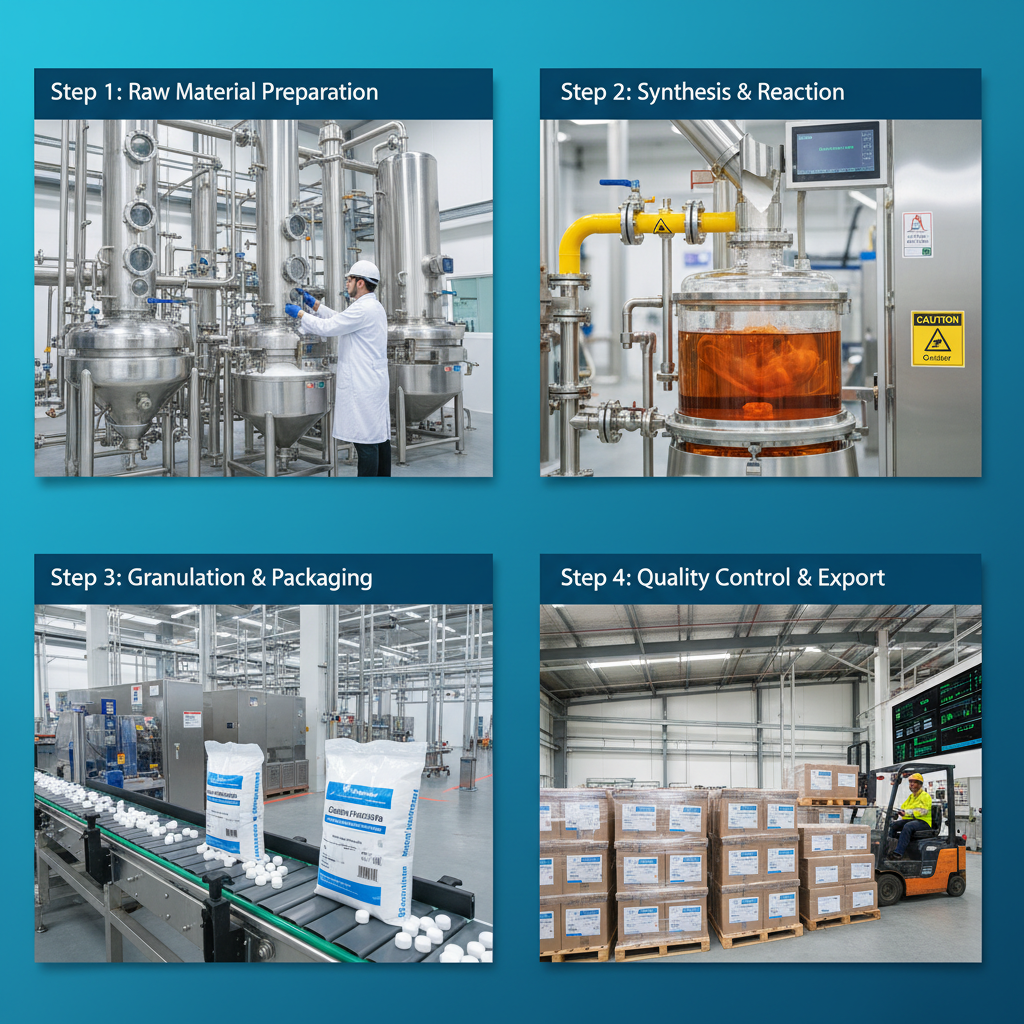
When auditing a vendor, the focus should be on their production infrastructure. A supplier with fully independent properties and modern, automated plants is more likely to maintain consistent quality than a trader. Key questions should include their R&D capabilities in thiophene or hydantoin series and their ability to implement intelligent production. The presence of digital storage and standardized loading processes indicates a higher level of operational maturity and a lower risk of contamination.
Storage and Handling Protocols
Due to its oxidative nature, DCDMH must be stored in a cool, dry, and well-ventilated area. The use of moisture-resistant double-layered aluminum foil bags and reinforced fiber drums is standard for high-grade materials. Improper storage can lead to the release of chlorine gas or the clumping of powder, which disrupts automated dosing systems. Personnel should be trained in EHS (Environment, Health, and Safety) standards to handle these chemicals safely, minimizing risks to staff and the environment.
Regulatory Compliance
Global trade in biocides is strictly regulated. Compliance with international safety and transport regulations is non-negotiable. This includes proper MSDS (Material Safety Data Sheets) and adherence to environmental protection laws regarding the discharge of chlorinated organic compounds. A reputable partner will provide all necessary documentation to ensure that the import and use of the chemical align with the local laws of the destination country.
Supply Chain Stability
For B2B operations, a sudden shortage of biocides can lead to catastrophic system failures, such as massive algae blooms in cooling systems. Evaluating a manufacturer's production capacity and inventory stability is essential. Large-scale production capabilities ensure that global clients have a steady supply regardless of market fluctuations. Flexibility in packaging—from 20kg to 500kg units—further supports diverse industrial scales, from boutique labs to massive municipal plants.
FAQ
What is the main advantage of DCDMH over liquid chlorine solutions?
DCDMH provides a stabilized, solid form of chlorine that is safer to transport and store. Unlike liquid bleach, which degrades quickly, DCDMH releases active halogen at a controlled rate, providing a more consistent residual concentration in water systems and reducing the frequency of dosing interventions.
How does purity affect the performance of hydantoin biocides?
Higher purity (typically ≥98% or higher) minimizes the presence of inert materials and impurities that can cause unpredictable dissolution rates. In pharmaceutical applications, high purity is critical to avoid side reactions during the synthesis of APIs, ensuring the safety and efficacy of the final medication.
What should I check when evaluating a new chemical manufacturer?
Buyers should examine the manufacturer's production scale, their adherence to EHS standards, and their quality control certifications. A visit to the plant or a request for detailed batch-to-batch consistency data can reveal if the supplier uses automated, intelligent production or outdated manual processes.
Can DCDMH be used in drinking water treatment?
While primarily used in industrial and leisure water, specific grades can be used for water treatment provided they meet stringent municipal health standards. It is essential to verify that the supplier provides a grade compliant with drinking water regulations to avoid contamination by industrial by-products.
What are the best storage practices for halogenated hydantoins?
The product should be kept in its original moisture-resistant packaging, stored in a cool, dry environment. Avoiding direct sunlight and humidity prevents the premature release of chlorine and prevents the powder from clumping, which is essential for maintaining the ≥98% purity levels.
How do I handle bulk orders for specific industrial requirements?
Work with a supplier that offers customization for bulk orders. This includes specifying packaging units (e.g., 500kg drums) and coordinating logistics to ensure safety during transit. Professional manufacturers provide technical guidance on how to integrate these bulk quantities into existing dosing infrastructure.
References and further reading
- Industrial Biocides and the Role of Halogenated Hydantoins in Water Management, Chemical Engineering Review.
- Global Standards for the Transport of Oxidizing Solids, International Maritime Dangerous Goods (IMDG) Code.
- Guidelines for API Intermediate Synthesis: Purity and Stability Requirements, Pharmaceutical Manufacturing Handbook.
Related Articles