Fine Chemicals Solutions for Afghanistan’s Pharmaceutical Industry

Fine Chemicals Solutions for Afghanistan's Pharmaceutical Industry

Delivering high-quality pharmaceutical intermediates and fine chemicals to meet the growing demands of the Afghan healthcare sector.

Fine Chemicals Solutions for Afghanistan's Pharmaceutical Industry

Providing a comprehensive range of pharmaceutical intermediates, fine chemicals, and specialized chemical solutions tailored to the needs of the Afghanistan market.

Current State of Pharmaceutical Manufacturing in Afghanistan

Challenges and Opportunities in a Developing Market

Afghanistan's pharmaceutical industry is currently in a nascent stage of development, heavily reliant on imports to meet its healthcare needs. pharmaceutical intermediates availability is limited, creating a bottleneck for local production. The geopolitical situation and logistical challenges add complexities to the supply chain.

The country’s challenging terrain and climate – ranging from arid deserts to mountainous regions – necessitate specialized chemical solutions, including industrial water treatment chemicals, to ensure the quality and stability of pharmaceutical manufacturing processes. Security concerns also impact the ability to consistently operate and maintain production facilities.

Despite these challenges, there is a growing demand for affordable and locally produced medicines. Increased investment in infrastructure, coupled with government initiatives to support local manufacturing, presents opportunities for companies specializing in fine chemicals and raw materials. The demand for 2 Bromothiophene for synthesis is also growing.
Evolution of Pharmaceutical Chemical Supply in Afghanistan

From Traditional Imports to Emerging Local Production

Market Development History

Prior to the 2000s, the Afghan pharmaceutical sector was severely underdeveloped due to decades of conflict. Most medicines were sourced from neighboring countries with limited quality control. The reliance on imports created significant price volatility and accessibility issues.

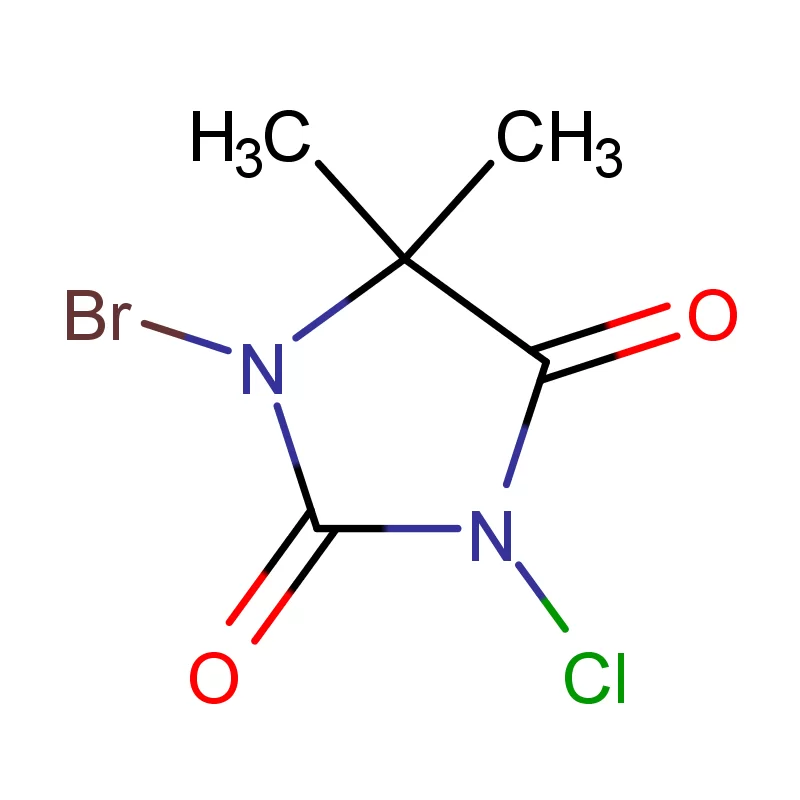
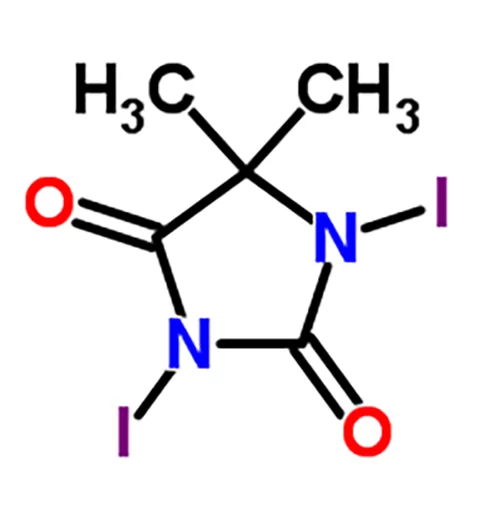
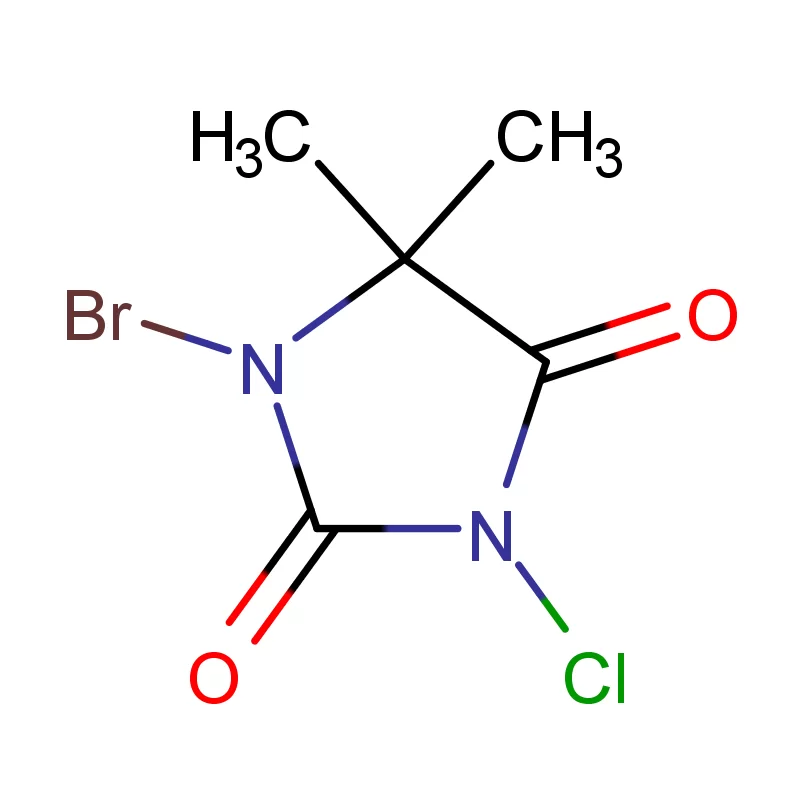
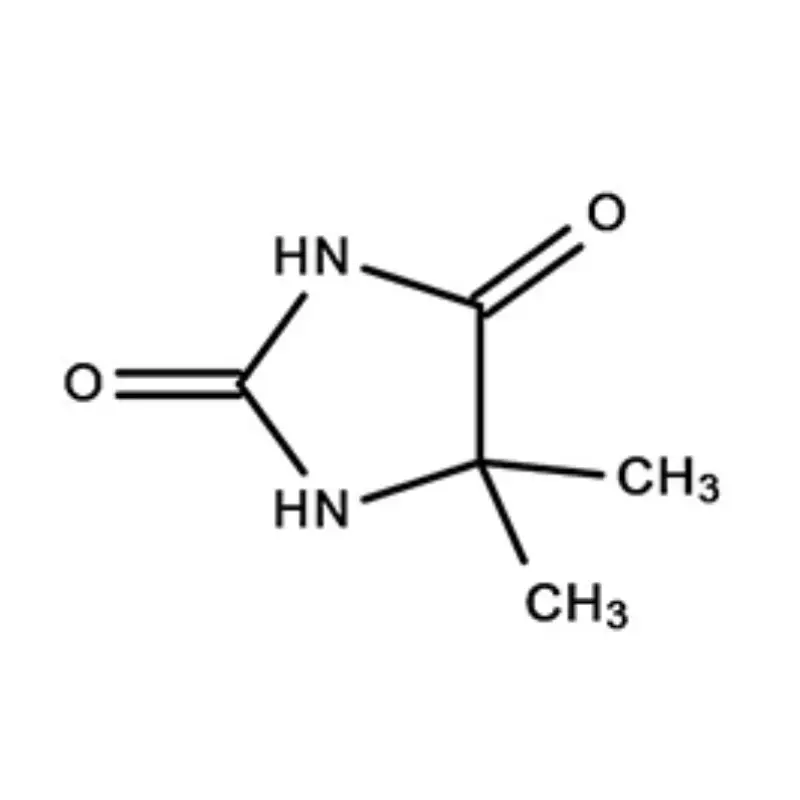
From 2001-2010, international aid organizations and NGOs played a critical role in providing essential medicines and supporting the establishment of basic pharmaceutical infrastructure. Increased focus on quality assurance and regulatory frameworks began during this period. 5 5 Dimethyl Hydantoin demand started to surface.

In the 2010s, a slow but steady growth in local pharmaceutical manufacturing emerged. Small-scale production units began to produce generic medicines, driven by a desire for self-sufficiency and cost reduction. However, access to high-quality pharmaceutical intermediates remained a key constraint.

Future Development Trends

Increased Focus on API Production

We anticipate a growing trend towards local production of Active Pharmaceutical Ingredients (APIs) over the next 3-5 years, driven by government incentives and the desire to reduce reliance on imports. Google Trends data indicates a rising search volume for “local medicine manufacturing” in Afghanistan.

Adoption of Advanced Chemical Technologies

The adoption of advanced chemical technologies, such as continuous flow chemistry and biocatalysis, will become increasingly important for improving efficiency and reducing waste in pharmaceutical manufacturing.

Emphasis on Sustainable Chemical Practices

Environmental concerns and regulatory pressures will drive a greater emphasis on sustainable chemical practices, including the use of environmentally friendly solvents and waste treatment technologies.

Industry Trends and Future Outlook for Afghanistan

Navigating the Evolving Landscape of Pharmaceutical Chemicals

Strengthening Local Supply Chains
Building resilient supply chains for pharmaceutical intermediates is crucial for reducing dependence on imports and ensuring a stable supply of medicines.
Investment in Quality Control
Robust quality control systems are essential for ensuring the safety and efficacy of locally manufactured medicines, requiring investments in analytical equipment and skilled personnel.
Adoption of Green Chemistry
Implementing environmentally friendly chemical processes, reducing waste, and utilizing renewable resources will become increasingly important for sustainable pharmaceutical manufacturing.
Regulatory Harmonization
Aligning pharmaceutical regulations with international standards will facilitate access to global markets and attract foreign investment.

Industry Outlook

The Afghan pharmaceutical industry is poised for significant growth over the next decade, driven by a growing population, increasing healthcare access, and government support for local manufacturing. Companies that can navigate the challenges and capitalize on the opportunities will be well-positioned to succeed.

Successful companies will prioritize quality, affordability, and sustainability. Collaborations with international partners and investments in innovation will be critical for driving long-term growth.

Local Application Scenarios in Afghanistan

Targeting Specific Healthcare Needs in the Region

1. Strengthening the Supply of Essential Medicines

Providing reliable access to high-quality pharmaceutical intermediates for the local production of essential medicines, such as antibiotics and antimalarials, addressing critical public health needs.

2. Improving Water Quality in Pharmaceutical Manufacturing

Offering specialized industrial water treatment chemicals to ensure the purity and safety of water used in pharmaceutical production processes, meeting stringent regulatory requirements.

3. Supporting Local API Manufacturing

Supplying key raw materials and chemical building blocks for the development of local API (Active Pharmaceutical Ingredient) manufacturing capabilities, reducing reliance on imports.

4. Enhancing Research and Development

Providing researchers and pharmaceutical companies with access to a wide range of fine chemicals and specialized reagents for drug discovery and development, fostering innovation.

5. Stabilizing Chemical Processes

Utilizing 5 5 Dimethyl Hydantoin as a crucial component in stabilizing chemical processes during pharmaceutical manufacturing, ensuring product integrity.

Brand Story

The Global Journey of Hebei Leishe Chemical Technology Co., Ltd.

Commitment to Quality

From inception, Hebei Leishe Chemical Technology Co., Ltd. has prioritized stringent quality control measures, ensuring the purity and reliability of our products.

Innovation in Chemical Synthesis

We invest heavily in research and development, constantly seeking innovative solutions for complex chemical challenges.

Global Reach, Local Support

We serve customers worldwide, providing tailored solutions and dedicated support to meet their specific needs.

Sustainable Chemical Practices

We are committed to environmental responsibility, implementing sustainable practices throughout our operations.

Partnering for Success

We believe in building strong, long-term partnerships with our customers, working together to achieve shared goals.

Frequently Asked Questions - Afghanistan

Addressing Common Concerns in the Local Market

What is the typical lead time for delivery of pharmaceutical intermediates to Afghanistan?

Lead times vary depending on the specific product and shipping route, but generally range from 4-8 weeks. We work with reliable logistics partners to ensure timely delivery.

Do you offer technical support for the application of your industrial water treatment chemicals?

Yes, our team of experienced chemists and engineers provides comprehensive technical support, including on-site assistance if required.

What quality certifications do you hold for your pharmaceutical intermediates?

We are ISO 9001:2015 certified and adhere to strict quality control standards throughout our manufacturing process. Certificates of Analysis (CoA) are provided with every shipment.

Can you accommodate custom synthesis requests for specific fine chemicals?

Yes, we offer custom synthesis services to meet the unique needs of our customers. Our team can develop and manufacture specialized chemicals to your exact specifications.

What is your policy regarding regulatory compliance for pharmaceutical chemicals in Afghanistan?

We ensure all our products meet the necessary regulatory requirements for import and use in Afghanistan. We provide all relevant documentation to support your compliance efforts.

How does your company handle the safe transportation of hazardous chemicals to Afghanistan?

We adhere to all international regulations for the safe transportation of hazardous chemicals, including proper packaging, labeling, and documentation. We partner with experienced logistics providers specialized in handling dangerous goods.

Get in Touch with Us

Partner with a reliable supplier of pharmaceutical intermediates and fine chemicals for your operations in Afghanistan.

Contact Us Now

If you are interested in our products, you can choose to leave your information here, and we will be in touch with you shortly.