
Sourcing Pharmaceutical Grade 2-Bromothiophene Cost Comparison Guide
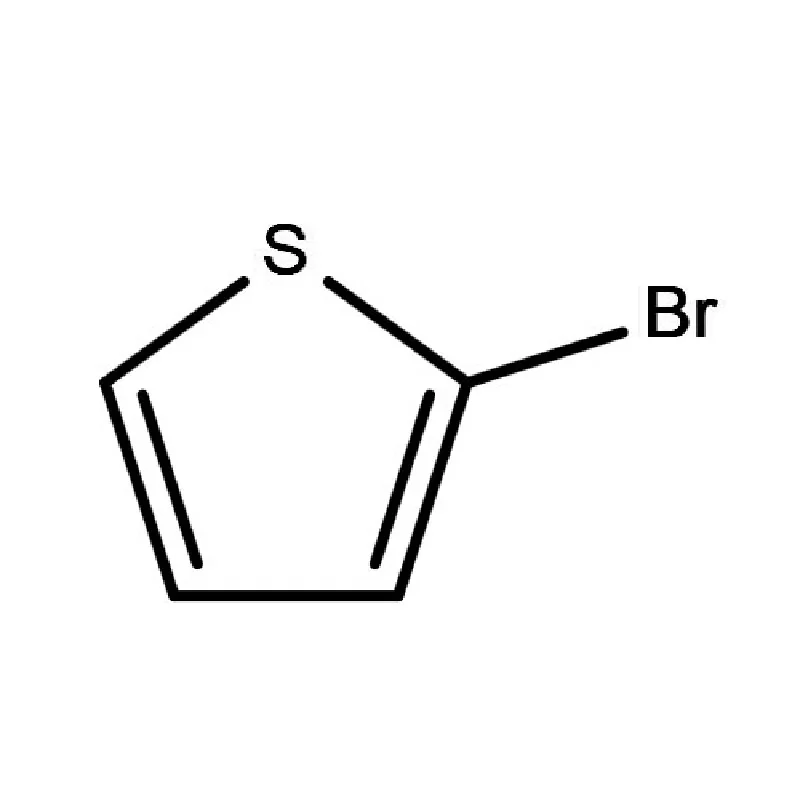
Procuring 2-bromothiophene for pharmaceutical intermediate manufacturing frequently reduces to evaluating complex financial liabilities rather than accepting straightforward invoice pricing. Upfront factory-gate quotations rarely reflect the final expense incurred during large-scale API synthesis and material science applications.
Initial savings achieved through low-cost spot offers can be quickly offset by downstream purification failures, unexpected yield drops, and specialized logistics overhead. Pharmaceutical buyers must navigate total cost of ownership by balancing raw material index volatility against batch consistency parameters.
Raw Material Indices and Processing Margins in Initial Unit Pricing
Initial unit prices for 2-bromothiophene applied in pharmaceutical intermediate manufacturing are predominantly anchored to raw material indices. Upstream chemical feedstock shifts dictate baseline production economics long before synthesis begins.
Processing margins drive supplier pricing models rather than fixed catalog pricing. Facilities handling reactive halogenated compounds adjust baseline quotes dynamically based on energy costs, catalyst availability, and reactor utilization rates.
Procurement teams navigating API Synthesis / Material Science applications observe that baseline quotes fluctuate in direct response to upstream chemical feedstock shifts. Factory gate quotations reflect these underlying cost drivers rather than arbitrary market positioning.
Exact feedstock cost allocations remain to be confirmed with the supplier during contract formulation. Buyers reconcile these volatile baseline numbers against total project budgets to maintain fiscal control over long-term pharmaceutical intermediate pipelines.
TCO Evaluation: Batch-to-Batch GC Purity and Downstream Yield Loss
Total cost of ownership evaluation requires tracking batch-to-batch GC purity consistency rather than relying solely on initial invoice figures.
Variations in purity directly trigger downstream API yield loss and unexpected reprocessing expenses during material synthesis. When incoming pharmaceutical intermediates exhibit fluctuating impurity profiles, purification columns saturate prematurely and reaction pathways produce unwanted side products.
Procuring seemingly cheap batches often escalates final production costs when entire synthesis runs must be halted for secondary distillation or column chromatography. These remediation steps consume valuable reactor time and auxiliary solvents that quickly negate any upfront savings gained at the factory gate.
Analytical certificates and test method documentation are to be requested from the supplier prior to dispatch to establish verifiable baseline expectations.
Comparing Factory Gate Quotations Versus Landed Cost Realities
Evaluating import expenses requires comparing initial supplier quotes against actual landed costs through a structured financial framework. Factory-gate pricing only accounts for raw material indices and basic processing margins, leaving crucial logistical outlays invisible until transit planning begins.
Specialized containment protocols and transit route requirements alter the true financial picture of sourcing from China. Reactive halogenated compounds demand certified packaging standards that escalate baseline shipping rates well beyond standard cargo classifications.
| Cost Category | Initial Factory Quotation | Landed Cost Impact |
|---|---|---|
| Base Production | Anchored to feedstock indices | Fixed per purchase order batch |
| Hazardous Packaging | Excluded from basic catalog pricing | Adds specialized container surcharges |
| Dangerous Goods Logistics | Omitted in port-of-exit estimates | Varies depending on destination port |
Dangerous goods surcharges compound quickly when shipping fine chemical derivatives across international waters. Port-of-exit regulations enforce strict documentation and handling protocols that apply additional fees directly to the final invoice total. Procurement teams must account for these variable expenses before finalizing international supply agreements.
Logistics and Compliance Overhead in Hazmat Packaging
Regulatory and Handling Standards
Specialized containment and transport compliance standards govern the movement of reactive halogenated compounds across international borders. These regulatory frameworks demand specific UN-rated packaging types and rigorous safety documentation to prevent transit incidents during pharmaceutical intermediate shipments.
Transit Safety and Delivery Timelines
Port-of-exit regulations dictate transit safety parameters and directly influence overall delivery timelines for API Synthesis / Material Science consignments. Strict customs declarations and dangerous goods inspections at departure terminals routinely add days to standard shipping schedules depending on destination port capabilities.
Financial Impact on Procurement Budgets
Transport compliance surcharges and specialized container rentals represent a substantial portion of landed costs that extend well beyond initial factory-gate pricing. Supply chain coordinators track these recurring variable outlays through logistics audit logs to maintain accurate financial forecasting for long-term manufacturing pipelines.
Hedging Feedstock Volatility Through Structured Frame Agreements
Structured short-to-medium-term frame agreements mitigate the severe operational and financial vulnerabilities inherent in pure spot buying of pharmaceutical intermediates. When procurement relies entirely on the spot market for volatile chemical compounds, manufacturing pipelines face severe exposure to abrupt price spikes and erratic material availability.
Pure spot market purchasing exposes fine chemical sectors to immediate cost inflation driven by sudden raw material shortages or spikes in global energy pricing. Pharmaceutical intermediate manufacturers operating without guaranteed allocation face sudden delivery delays that can halt multi-step API synthesis schedules. Long-term supply stability depends on establishing contractual commitments that lock in production capacity before market bottlenecks materialize.
Implementing structured agreements shifts risk allocation by establishing predetermined volume tiers and periodic pricing review mechanisms based on transparent chemical feedstock indexes. Fine chemical facilities adopting this framework secure guaranteed reactor time and priority feedstock allocation over spot-dependent buyers. These contractual arrangements protect processing margins and maintain steady production continuity across extended manufacturing cycles.
API synthesis manufacturing pipelines require predictable delivery schedules to optimize inventory holding costs and prevent expensive equipment idling. Structured supply contracts incorporate predetermined delivery schedules aligned with batch production timelines, reducing the administrative burden of constant spot market re-negotiation. Consequently, purchasing directors stabilize landed costs and insulate long-term budgets from unexpected market shocks.
Synthesis of Unit Price Risks and Strategic Sourcing Decisions
Upfront financial concessions routinely mask critical operational liabilities that emerge long before the conclusion of pharmaceutical intermediate manufacturing cycles. Relying exclusively on nominal reductions in initial invoices disregards the cumulative expenses tied to purification failures, off-specification batches, and unplanned production downtime.
Balancing initial procurement savings against hidden risk exposures relies on structured evaluation criteria. Procurement managers navigate these trade-offs by applying a quantitative assessment framework that weighs unit price variances against the historical performance stability of the material supplier.
Spot market transactions deliver immediate cost reductions when chemical feedstock indices dip, yet they introduce severe vulnerability to sudden supply disruptions. Long-term frame agreements trade short-term bargain hunting for guaranteed manufacturing slots and consistent delivery schedules across multi-step pharmaceutical synthesis operations.
Organizations prioritizing short-term spot savings frequently encounter severe margin compression when market volatility triggers sudden price spikes or severe material shortages. Predictability in fine chemical manufacturing depends directly on structured procurement agreements that lock in capacity and mitigate unforeseen downstream expenditure risks.
Frequently Asked Questions
Variations in purity trigger downstream API yield loss and unexpected reprocessing expenses during material synthesis. When incoming shipments exhibit inconsistent profiles, purification columns saturate prematurely and reaction pathways produce unwanted side products, which escalates final production costs.
Landed costs incorporate specialized dangerous goods surcharges, regulated container specifications, and hazardous material packaging overhead. These mandatory transport compliance expenses significantly alter the true financial picture beyond initial factory-gate quotations.
Transport safety relies on specialized containment systems engineered to handle reactive halogenated compounds during transit. Port-of-exit regulations and hazardous material handling rules dictate transit safety standards, with specific containment costs varying by destination port requirements.
Short-to-medium-term frame agreements hedge against raw material feedstock fluctuations by locking in supply stability parameters. This procurement strategy shields pharmaceutical manufacturing pipelines from abrupt market spikes compared to vulnerable spot-market purchasing.
Procurement directors must audit batch-to-batch GC purity consistency, hazardous material packaging surcharges, and total landed cost breakdowns rather than relying on invoice pricing. Evaluating these total cost of ownership parameters prevents unexpected reprocessing expenses during API synthesis.
Conclusion
Evaluating chemical procurement contracts requires a systematic financial review that connects initial purchase orders directly to long-term operational performance. Supply agreements that lack provisions for impurity tracking or landed cost adjustments expose manufacturing pipelines to unforeseen budgetary variances.
Auditing Contract Parameters Against Operational Realities
Procurement teams must audit their current 2-bromothiophene supplier contracts against total cost of ownership parameters to uncover hidden margin erosion. Contract terms that solely focus on factory gate pricing ignore the recurring expenses tied to downstream purification failures and yield recovery.
A comprehensive landed cost breakdown reveals the true financial impact of hazmat packaging, freight surcharges, and regulatory compliance fees. Depending on the final destination port and selected freight mode, these logistical overhead expenses can alter the baseline acquisition economics.
Implementing Structured Sourcing Reviews
Periodic contract reviews enable operational leaders to align raw material feedstock volatility clauses with actual inventory consumption rates. Establishing clear performance metrics within these agreements prevents batch-to-batch inconsistencies from disrupting pharmaceutical intermediate synthesis schedules.